

Tooth decay, also known as dental caries or cavities, is the gradual destruction of tooth structure by acid produced by bacteria in the mouth. It affects people of all ages — children, teenagers, and adults — and is one of the most widespread health conditions globally. Despite how common it is, tooth decay is largely preventable with the right habits and regular professional care.
How Does Tooth Decay Develop?
Your mouth is home to many types of bacteria. When those bacteria break down sugars and starches from food, they produce acids. These acids attack the hard outer layer of the tooth — the enamel. The process unfolds in stages:
- Demineralisation of enamel: Acid strips calcium and minerals from the enamel. The earliest sign is a white or chalky spot on the tooth surface. At this point, the damage can still be reversed.
- Enamel breakdown: If not stopped, the acid creates a small hole — a cavity — in the enamel.
- Decay into dentine: Once past the enamel, the decay reaches the softer dentine layer beneath. Destruction accelerates and sensitivity or pain begins.
- Reaching the pulp: If untreated, bacteria reach the tooth’s pulp — the inner chamber containing nerves and blood vessels — causing inflammation, severe pain, and potentially requiring root canal treatment or extraction.
Signs and Symptoms of Tooth Decay
- Yellow, brown, or black discolouration or staining on a tooth surface.
- Sensitivity or pain when eating sweet, sour, hot, or cold foods.
- Spontaneous toothache with no obvious cause.
- A visible pit, hole, or rough area on a tooth.
- Persistent bad breath.
An important note: early-stage tooth decay often causes no pain at all. By the time severe toothache sets in, the decay has usually progressed significantly.
How to Prevent Tooth Decay
The encouraging reality is that tooth decay is highly preventable:
- Brush correctly and consistently: Brush at least twice a day — after waking and before bed — for a minimum of two minutes each time, using fluoride toothpaste.
- Use dental floss: Clean between teeth at least once a day to remove plaque and food particles that a toothbrush cannot reach. This is where many cavities begin.
- Limit sugar and acidic drinks: Soft drinks, packaged juices, and sweets feed decay-causing bacteria. Try to limit them and rinse your mouth with water after consuming them.
- Drink plenty of water: Water rinses away food debris and helps neutralise acid, especially fluoridated tap water.
- Attend dental check-ups every six months: A dentist can detect early decay before it causes pain, remove tartar build-up, and apply protective fluoride treatments.
Treating Tooth Decay at Each Stage
Treatment depends on how far the decay has progressed:
- Very early (demineralisation only): Can be reversed with professional fluoride application and improved oral hygiene — no drilling required.
- Small cavity: A filling — one of the quickest and least invasive dental procedures.
- Deeper decay into dentine: A larger filling, or a crown if the tooth structure is significantly weakened.
- Pulp involvement: Root canal treatment to remove infected tissue, followed by a crown. In severe cases, extraction may be necessary.
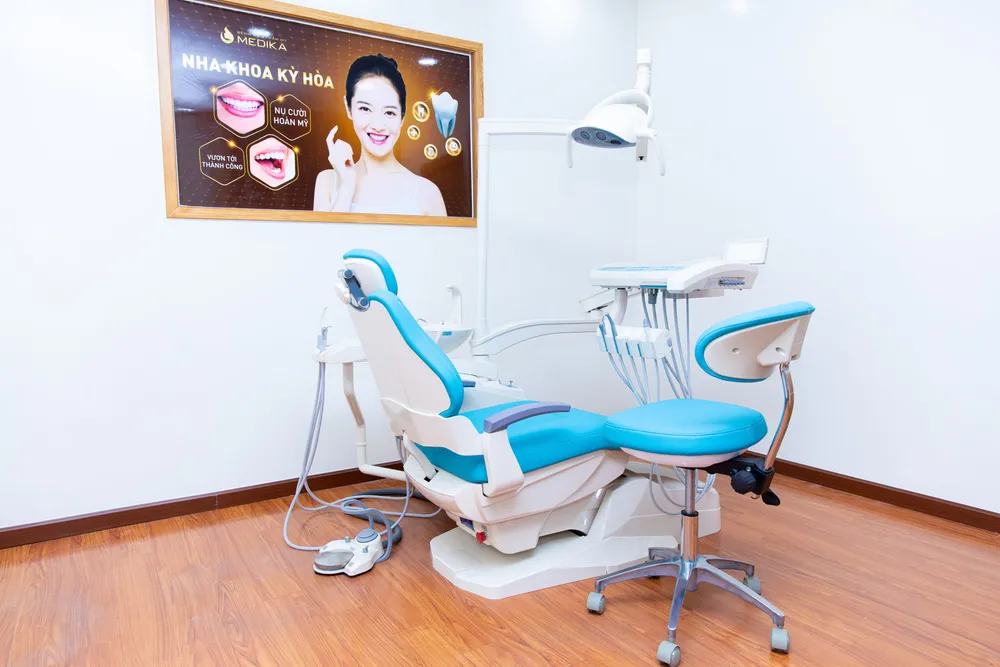
Treating decay early is always simpler, less uncomfortable, and considerably less costly than treating advanced disease. At Ky Hoa Medical Center, our dental clinic is equipped with modern technology and staffed by experienced dentists ready to provide everything from routine check-ups to specialist treatments. Book a check-up today — your smile is worth protecting.