

Pink eye — the common name for conjunctivitis — is an inflammation of the conjunctiva, the thin transparent membrane that lines the inner surface of the eyelids and covers the white part of the eye. When the conjunctiva becomes inflamed, the tiny blood vessels within it dilate and become visible, giving the eye that characteristic red or pink appearance. Conjunctivitis is extremely common, highly contagious in many forms, and can spread rapidly through schools, workplaces, and households.
How Does Pink Eye Spread?
The route of transmission depends on the underlying cause:
- Direct contact with eye discharge: Sharing towels, pillowcases, eye makeup, glasses, or any personal items used near the eyes is the most common route.
- Hand-to-eye contact: Touching a contaminated surface — a doorknob, a keyboard, another person’s hand — and then touching your eye.
- Respiratory droplets: Sneezing or coughing at close range can carry viral particles to another person’s eyes.
- Swimming pools: Inadequately chlorinated water can harbour bacteria or viruses that cause conjunctivitis.
- Mother to newborn: Babies can acquire certain bacterial infections during vaginal delivery if the mother is carrying the organism.
Viral conjunctivitis is the most contagious form. An infected person can spread the virus before noticeable symptoms appear and remains contagious for one to two weeks.
Recognising the Symptoms
Symptoms usually begin in one eye and often spread to the other within a few days:
- Redness across the white of the eye.
- A gritty, itchy, or burning sensation — like having sand in the eye.
- Increased tearing.
- Eye discharge that can be watery, yellow, or green — often causing the eyelids to stick together on waking.
- Sensitivity to light.
- Temporarily blurred vision due to discharge.
Treatment Options
Treatment depends on the cause:
Viral conjunctivitis: There is no specific antiviral treatment for most cases. The infection usually resolves on its own within one to two weeks. Supportive care — rinsing with sterile saline, applying cool compresses, and resting the eyes — helps manage discomfort.
Bacterial conjunctivitis: A doctor may prescribe antibiotic eye drops or ointment. Symptoms typically improve within a few days of starting treatment.
Allergic conjunctivitis: Antihistamine eye drops and avoiding the trigger allergen are the main approaches.
Important cautions:
- Never use steroid-containing eye drops without a doctor’s prescription — this can worsen certain infections dramatically.
- Do not apply traditional or herbal remedies directly to the eye, as these can introduce additional infection.
- Remove contact lenses and do not wear them until your eyes have fully healed.
Preventing the Spread
Conjunctivitis is easily passed from person to person, but simple hygiene measures are very effective:
- Wash hands frequently and thoroughly, especially after touching your eyes or face.
- Do not share towels, pillowcases, or any items that touch the face.
- Avoid rubbing or touching your eyes unnecessarily.
- Wash bedding and towels in hot water during the illness.
- Stay home from school or work during the most contagious period.
- Clean and replace eyeglasses or contact lens cases regularly.
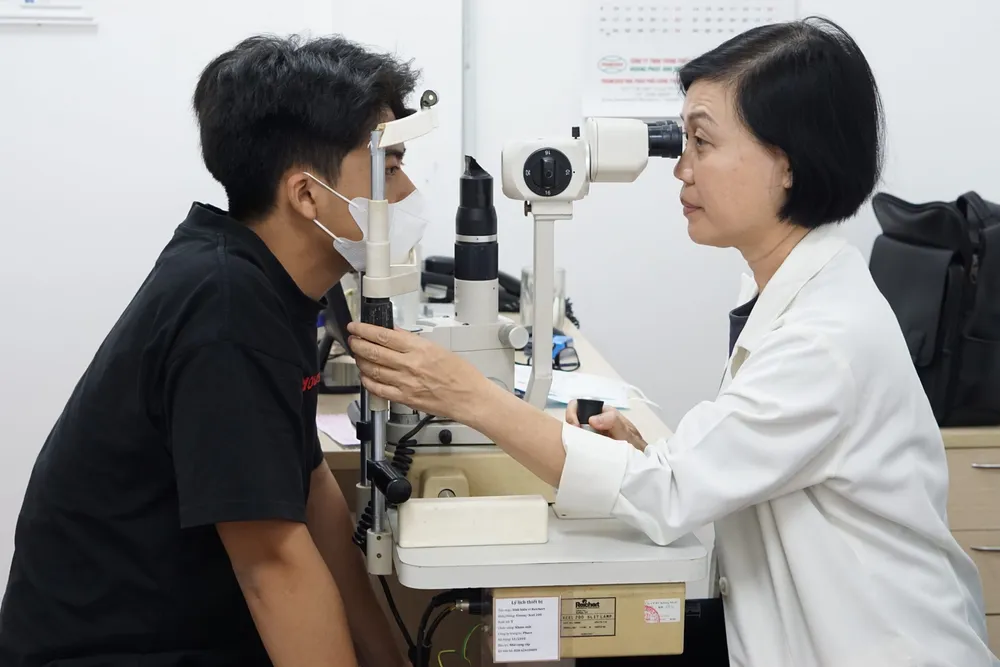
While pink eye is usually a mild condition, some forms can cause complications if left untreated. At Ky Hoa Medical Center, our ophthalmology team can quickly identify the type of conjunctivitis you have, prescribe the right treatment, and advise on preventing spread to your family. Come in as soon as symptoms appear — getting the right care early means a faster recovery.